
2026-09-19 · Frank Torres
Why Is Sewage Coming Up Through a Floor Drain?
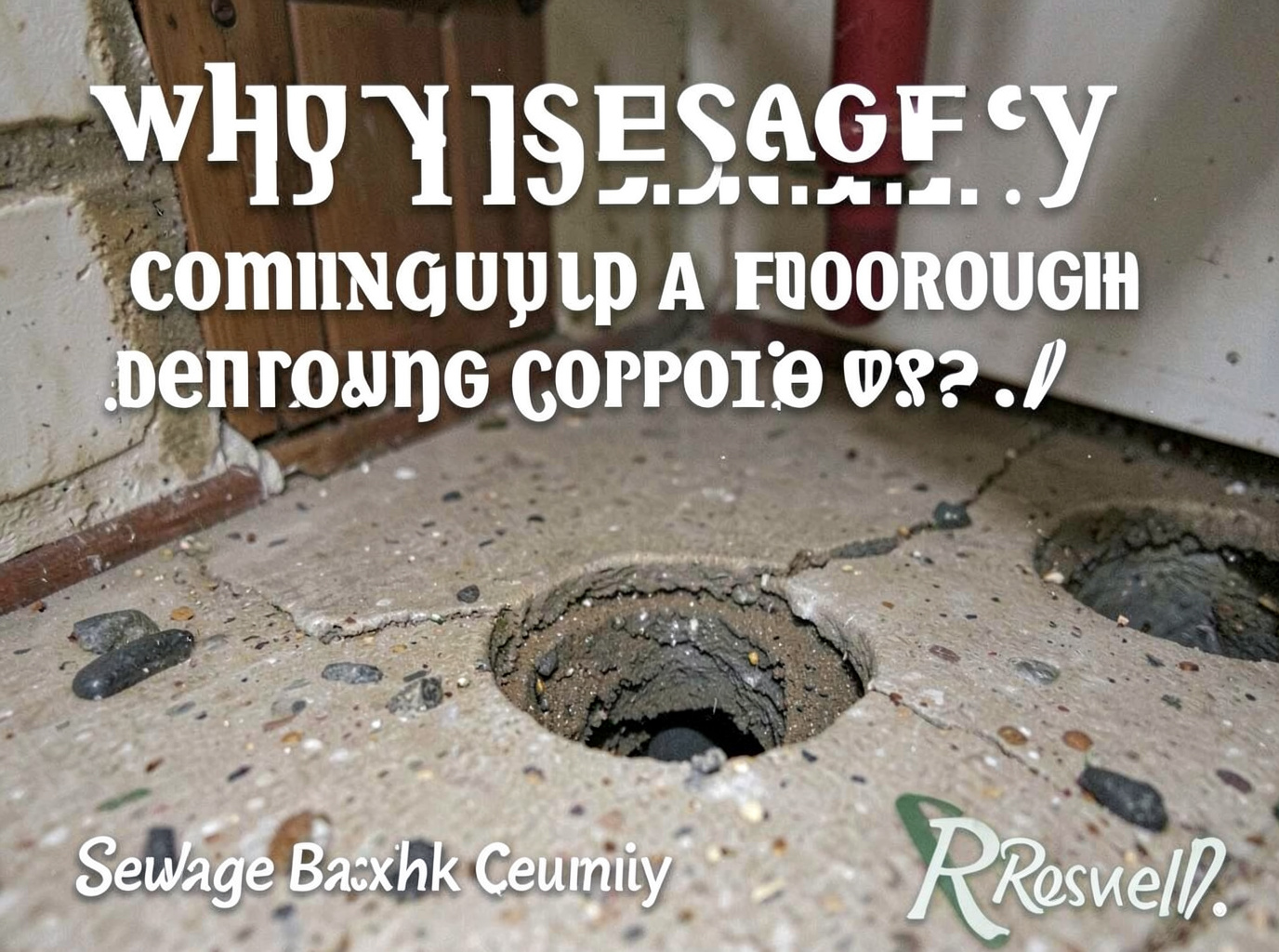
Sewage comes up through a floor drain when a blockage or restriction exists in the main sewer line downstream from that drain, forcing wastewater to find the lowest available exit point inside the structure.
Main Line Blockages Common in Chaves County
Roswell sits in a semi-arid climate with hot summers and mild winters that cause soil expansion and contraction around older clay and cast-iron pipes. This movement creates cracks that roots from cottonwood and mesquite trees exploit, especially in neighborhoods such as Downtown Roswell and North Park. Grease from home cooking and wipes flushed in apartments along East Grand Plains also build up inside the 4-inch and 6-inch mains that serve many pre-1970 homes. When these lines reach capacity during a single heavy rain, pressure pushes sewage upward through the floor drain rather than out to the street.
Homeowners in Berrendo often see this after a single 1-inch rain because the flat terrain offers little slope for gravity flow once roots have narrowed the pipe. The same conditions appear in homes near the former Walker Air Force Base where original 1950s infrastructure still connects many residences. A partial clog that would only slow a toilet in a newer subdivision can fully back up an older floor drain here.
How Local Terrain and Water Use Affect Flow
Chaves County soil is sandy loam that drains quickly in dry months yet holds enough moisture in winter to keep roots active year-round. Mild winters mean roots never fully go dormant, so blockages grow steadily instead of pausing. Hot summers increase indoor water use for cooling and irrigation, sending more volume through lines already narrowed by grease and scale. When a main line is 60-70 percent obstructed, even normal household flow can force sewage out the floor drain before it reaches the city connection.
Residents near Spring River Park and Zoo report more frequent issues because the river corridor keeps local water tables slightly higher, adding hydrostatic pressure against cracked pipes. The same pattern appears in homes between Roswell and Artesia where septic-to-sewer conversions left older laterals tied into mains that were never upsized.
Distinguishing a Floor-Drain Backup from Other Issues
A true main-line backup usually affects every drain on the lowest level at once, while a single fixture clog stays isolated. If water rises in the floor drain but the toilet still flushes normally, the obstruction is almost always downstream of the floor-drain trap. In Roswell this distinction matters because many 1950s and 1960s homes have floor drains tied directly into the same 4-inch line that serves the kitchen and laundry. Sewage Backup vs Ordinary Drain Clog: What Is the Difference? explains the diagnostic steps that separate the two problems.
When sewage appears only after heavy rain, the cause is often a combination of root intrusion and storm-water infiltration into cracked mains. When it appears without rain, the culprit is more often grease or foreign objects lodged farther down the line.
Immediate Steps While Waiting for Help
Stop using all water on the affected level to keep additional volume from pushing more sewage upward. Wear rubber boots and avoid direct contact with the water because it contains bacteria from household waste. Place towels or a wet-vac around the drain to limit spread into living areas, but do not attempt to plunge or snake the floor drain itself; doing so can push the blockage farther into the main and make extraction harder. What Should You Do Immediately After a Sewage Backup? outlines the safety sequence that experienced crews follow on every Roswell call.