Multifamily buildings in Roswell often share sewer laterals that run under parking lots or common courtyards, especially in older stock around Downtown Roswell and North Park. When a backup occurs, sewage can migrate between units through floor drains or wall cavities before anyone notices. Hot summer temperatures accelerate bacterial growth on wet surfaces, while the semi-arid soil in Chaves County expands and contracts with temperature swings, stressing joints in aging cast-iron lines that serve multiple apartments.
Extraction in these properties requires isolating affected units without shutting down water for the entire building. Technicians set up negative-air barriers at stairwells and use portable pumps to remove standing waste from ground-floor units before it reaches upper levels. In complexes near the Spring River Park and Zoo or along East Grand Plains Road, shallow water tables can push groundwater into already compromised lines, turning a single-unit event into a multi-unit contamination issue that demands coordinated work with property managers.
Disinfection protocols must account for carpet, vinyl, and laminate flooring common in rental units, plus the need to document every step for insurance adjusters handling claims from tenants in Berrendo or nearby Artesia. Failure to separate gray-water from black-water sources early can leave residual odors that travel through HVAC returns shared across floors.
Technician insight
In Roswell, the thing that catches most people out with Apartment & Multifamily Sewage Backup Cleanup is how the semi-arid clay soils around East Grand Plains and North Park shift after a mild winter, cracking older shared laterals that serve entire buildings. Many managers assume a single-unit backup stays contained until the smell reaches the second floor.
Downtown Roswell Complex Backup
Sewage surfaced in two ground-floor apartments after a shared lateral clogged near 300 S Kansas Ave. Camera inspection showed an offset joint under the parking area. Extraction and barriers kept the issue from reaching upstairs units, and flooring was removed before odors traveled through the common HVAC.
Apartment & Multifamily Sewage Backup Cleanup Services We Offer
✓Multi-Unit Containment Barriers
Install temporary negative-pressure walls and floor seals to prevent sewage migration between apartments while work proceeds in one unit.
✓Shared Drain Line Camera Inspection
Run video inspection through building laterals serving multiple units to locate blockages or offsets common in older Roswell multifamily plumbing.
✓Apartment Sewage Extraction
Remove standing sewage and wastewater from individual units using portable extraction equipment sized for tight bathroom and kitchen layouts.
✓Common Area Odor Neutralization
Apply targeted treatments to hallways, laundry rooms, and stairwells where odors travel through shared ventilation in North Park complexes.
✓Rental Unit Flooring Removal
Lift and dispose of contaminated carpet, pad, and underlayment in affected apartments while protecting adjacent tenant spaces.
✓Property Manager Coordination
Provide daily written updates and access scheduling so management can notify tenants in Berrendo and East Grand Plains buildings without service interruptions.
Apartment & Multifamily Sewage Backup Cleanup Cost in Roswell, NM
| Service | Typical Range | What Affects It |
|---|---|---|
| Single Apartment Extraction | $900–$2,200 | Varies by square footage and depth of saturation |
| Two-Unit Containment and Cleanup | $1,800–$4,000 | Includes shared wall barriers and dual extraction |
| Shared Lateral Camera Inspection | $350–$650 | Price rises if excavation access is needed |
| Multi-Unit Flooring Removal | $600–$1,800 | Depends on material type and disposal volume |
| Odor Treatment in Common Areas | $400–$900 | Covers hallways serving three or more units |
Ranges are typical for Roswell, NM and confirmed with an exact written quote before any work starts.
How it works
- 1
Site Assessment
Walk the affected units and common areas to map shared lines and identify which apartments connect to the same lateral.
- 2
Containment Setup
Place barriers and negative air machines to isolate the work zone from occupied units and hallways.
- 3
Extraction and Removal
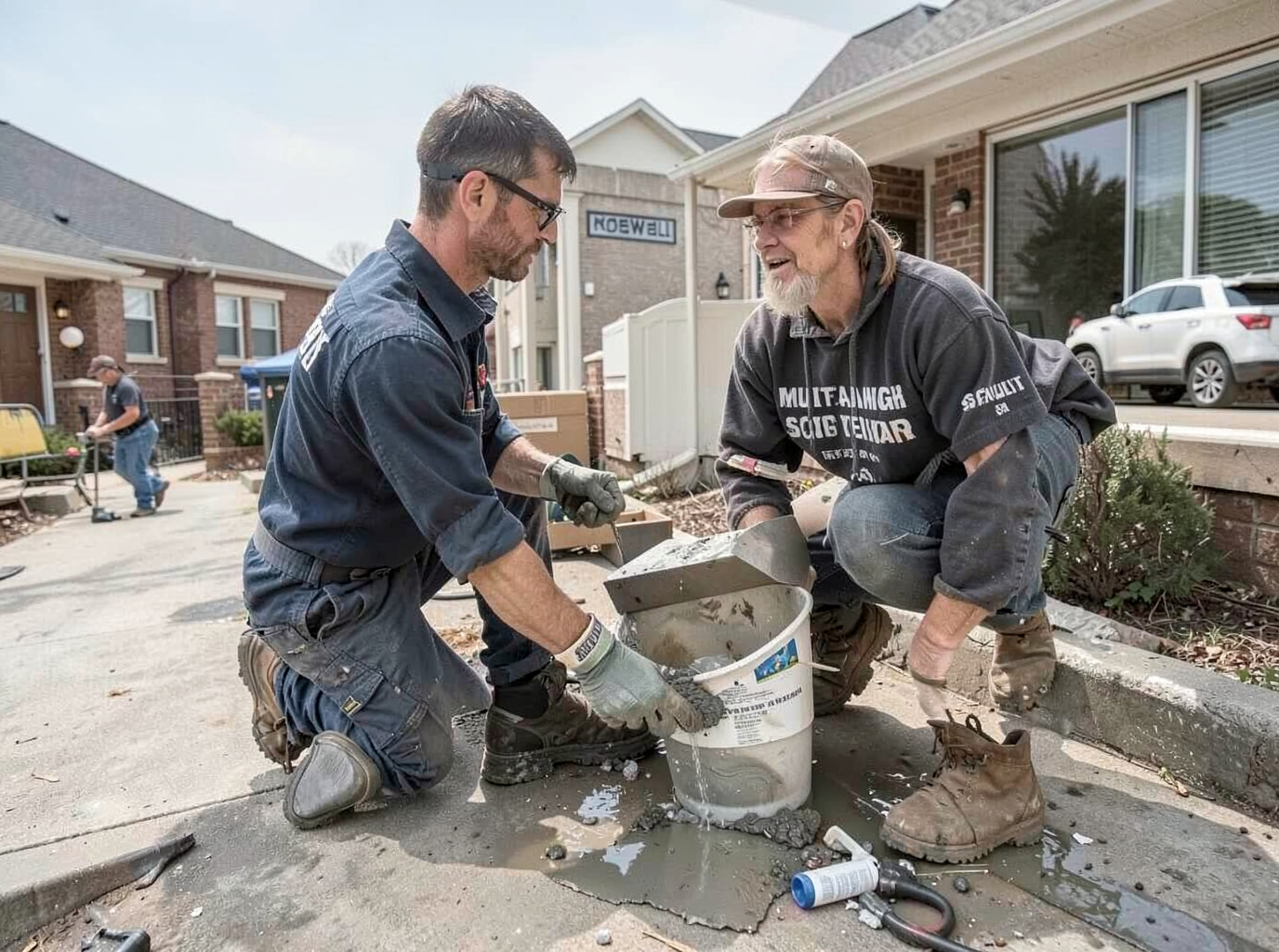
Pump out sewage, remove saturated materials, and transport waste to approved disposal sites serving Chaves County.
- 4
Cleaning and Verification
Apply disinfectants, run moisture checks, and confirm no cross-contamination remains before reopening spaces.
Pricing
Costs scale with the number of units impacted and whether shared laterals require excavation.